
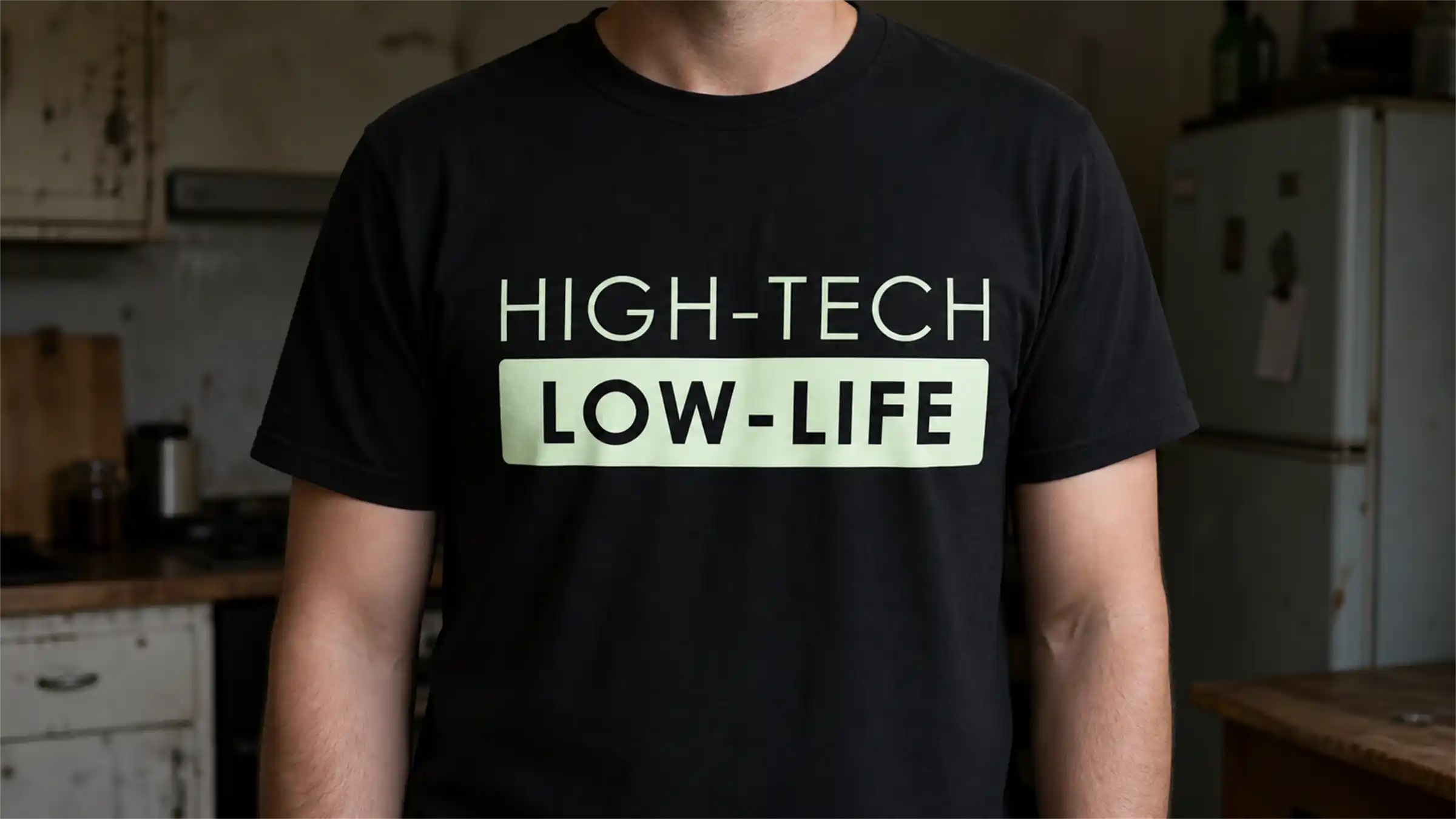
High-tech, low-life was never a prediction. It was a description that arrived early.
Four words. Two for the machines, two for the people using them. It is the shortest definition the genre ever produced, and nobody owns it — which is fitting, because the word cyberpunk got loose the same way. Bruce Bethke used it as the title of a story in 1980. Gardner Dozois picked it up in his editorials, and it stopped belonging to anyone. Ideas that spread well do not stay with their author.
What the phrase compresses is arithmetic, not aesthetic. Technology curves up. Life does not. The distance between those two lines is the entire genre.
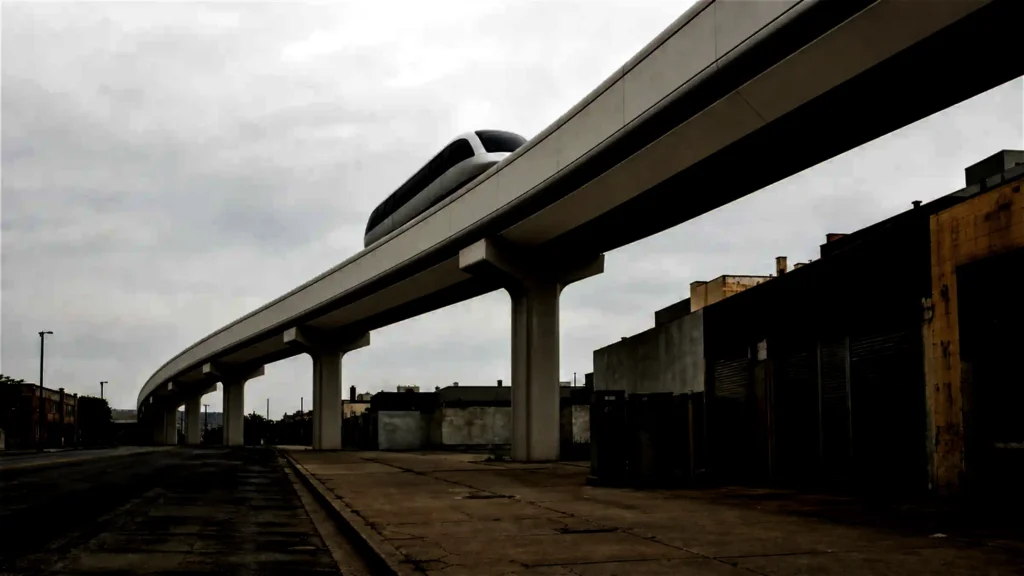
Same arithmetic, different decade
Gibson built Neuromancer on that gap: a man who can jack into a global network and cannot afford the surgery that lets him. Stephenson made it the joke that runs Snow Crash, where pizza delivery is a matter of national security. Akira put it in a city that can rebuild itself from ashes and cannot look after its own children. Same arithmetic every time. Different decade, different medium.
It stopped being fiction
For thirty years you needed a novel to see the gap. Now you need a window. There is more computing power in the phone in your pocket than in everything that put people on the moon, and it is showing you an ad for a payday loan. We can edit a genome and cannot price the treatment for the person who needs it.
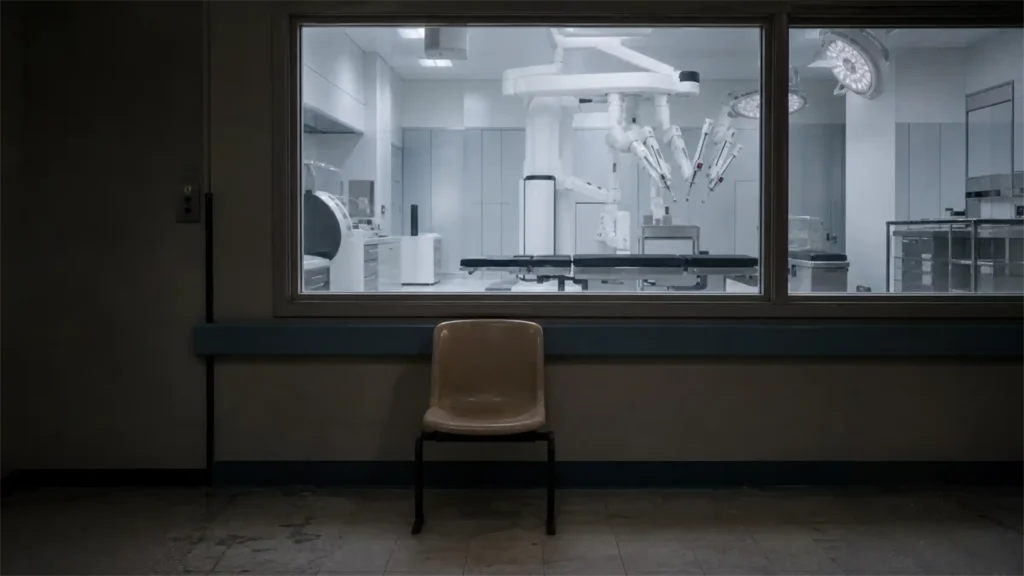
The machines kept their promise. The lives did not.
That is the part worth wearing. Not the neon. The diagnosis.
Three ways to say it
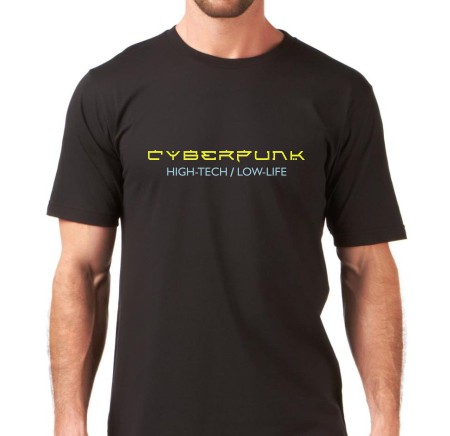
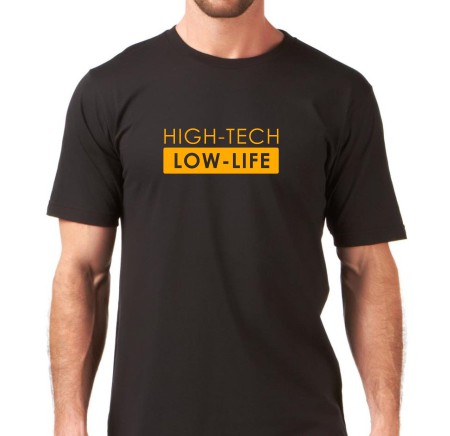
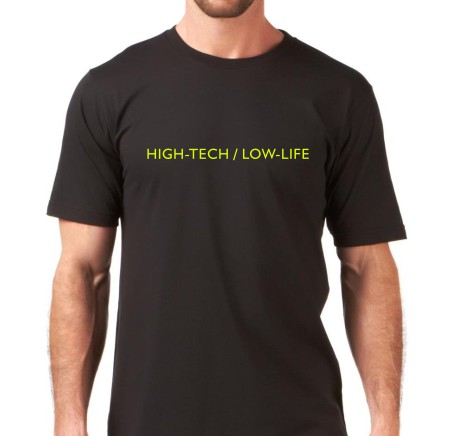
Nobody asks about a t-shirt they already understand. This one gets asked about, and the answer is four words long.
Leave a Reply